Make in India
Exclusive interview
with Anand Subhedar

Over the past years, Make in India has become one of the pillars of India’s industrial strategy, accelerating the country’s rise as a major player in the aerospace and defence sectors. This framework, now essential for any company operating in the Indian market, is reshaping supply chains, partnership models, and localisation requirements.
For Everaxis, this transformation represents far more than a regulatory environment: it is a strategic opportunity to support a rapidly expanding ecosystem, strengthen customers’ industrial sovereignty, and develop high‑level local capabilities. Since the opening of its Indian site in 2024, Everaxis India has played a key role in this dynamic, combining technological excellence, operational proximity, and long‑term commitment to Indian OEMs.
In this context, Anand Subhedar, Managing Director of Everaxis India, shares his perspective on Make in India, the progress achieved by Everaxis, and the outlook for the coming years.
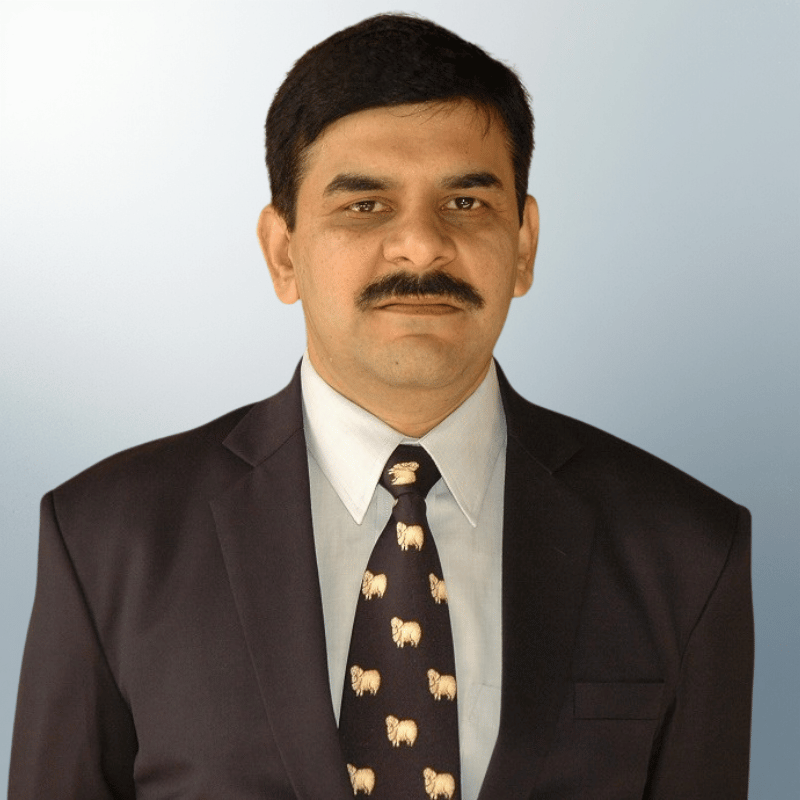
Anand Subhedar
Managing Director Everaxis India
Strategic context
Make in India has become a cornerstone of India’s industrial policy. How would you describe its impact on the aerospace and defence sectors today?
Anand Subhedar: Make in India has fundamentally transformed India’s aerospace and defence landscape, shifting the country from an import‑dependent market to an emerging manufacturing hub. We now see a significant increase in domestic procurement, alongside record‑level defence exports. The policy has strengthened the supply‑chain ecosystem and created a more competitive environment.
The push toward self‑reliance under Atmanirbhar Bharat has accelerated new development programs across the aerospace and defence sectors. Everaxis India is well established and ready to support defence OEMs in meeting these mandatory requirements.
What are the main drivers pushing OEMs and Tier‑1 suppliers to strengthen their industrial presence in India?
Anand Subhedar: In my view, three primary drivers are compelling OEMs and Tier‑1 suppliers to expand their presence in India:
- Policy incentives and localisation mandates: Increased FDI limits and mandatory Make in India and Indian Content requirements.
- Market access and cost competitiveness: India is one of the world’s largest defence procurement markets, with growing domestic demand, cost‑effective manufacturing capabilities, and a skilled engineering workforce.
- Supply‑chain resilience and strategic positioning: Global companies are establishing India as a manufacturing hub to diversify supply chains, reduce geopolitical risks, and serve both Indian and international markets.
How do you view the evolution of regulatory requirements and localisation expectations for international suppliers?
Regulatory requirements have evolved from passive encouragement to active enforcement. The government has progressively increased local‑content requirements in defence tenders, simplified the industrial licensing framework, and raised foreign‑investment caps. The new mantra is clear: “Make in India for the World.”
Everaxis’ positioning and role
How has Everaxis organised itself to meet Make in India requirements while maintaining its high level of technological excellence?
Anand Subhedar: Everaxis has structured its operations through a dual‑track approach: establishing a dedicated Indian manufacturing facility compliant with Make in India mandates, while maintaining seamless integration with our global technology and quality standards. We have invested in local production lines with advanced quality‑control systems, trained Indian engineering teams through structured knowledge‑transfer programs, and built local supply‑chain partnerships that meet international requirements.
Which Everaxis products, solutions, or technologies are currently involved in localisation or co‑development initiatives in India?
Anand Subhedar: Everaxis is primarily a high‑end solution provider for rotating systems. In India, we began with the production of pitch‑control sliprings for wind turbines. After three years of successful operations, we are now actively exploring defence requirements for sliprings. We are currently developing slipring solutions for Remote Weapon Stations and tank turrets for Indian OEMs.
Impact for customers and programs
What concrete benefits do customers gain when Everaxis engages in a Make in India approach?
Anand Subhedar: Customers experience multiple tangible benefits when working with our Indian facility:
- Lead‑time reduction: Local manufacturing eliminates long shipping cycles from Europe.
- Proximity and responsiveness: Our Indian team provides immediate technical support and faster troubleshooting.
- Supply‑chain sovereignty: Reduced dependency on international imports and greater resilience against geopolitical disruptions.
- Cost efficiency: Lower logistics costs, reduced import duties, and minimized currency‑exchange risks.
- Regulatory compliance: Our Indian operations ensure full alignment with local defence‑procurement requirements and certification standards.
Could you share an example of a programme or collaboration in India that illustrates Everaxis’ added value?
Anand Subhedar: A strong example is our collaboration with Indian wind‑turbine manufacturers. Everaxis established local manufacturing capability for pitch‑control sliprings, enabling customers to procure locally. This partnership reduced procurement lead‑times, achieved a 20% cost reduction, and improved competitiveness. It also helped customers meet government‑mandated local‑content requirements while protecting them from foreign‑exchange fluctuations and geopolitical uncertainties. We consistently deliver the highest quality sliprings, always on time.
Vision & future outlook
In your view, what will be the next steps for Make in India over the next 3 to 5 years?
Anand Subhedar: Over the next 3–5 years, Make in India will evolve from a manufacturing‑focused initiative to a comprehensive capability‑development program:
- A shift from “Make” to “Design and Make”
- Deeper development of local supply chains
- Integration of advanced technologies such as AI, digital manufacturing, and automation
How is Everaxis preparing for these developments to remain a strategic partner for Indian stakeholders?
Anand Subhedar: Everaxis is proactively preparing through several strategic initiatives:
- Enhanced R&D investment: Establishing a dedicated engineering and design team in India.
- Advanced capability building: Upgrading our Indian facility with increased efficiency, digitalisation, and AI‑driven quality systems.
- Supply‑chain integration: Developing partnerships with Indian suppliers to build a robust ecosystem capable of supporting Everaxis Group companies.
What message would you like to share with Eurosatory visitors regarding Everaxis’ commitment to India?
Anand Subhedar: To our Eurosatory visitors and international partners: Everaxis represents more than a manufacturing presence in India — we are committed to India’s aerospace and defence future. Our investment in Indian capabilities, our partnerships with Indian OEMs and suppliers, and our dedication to technology transfer demonstrate that we view India not just as a market, but as a long‑term strategic partner. We are here to build together, innovate together, and grow together.
Meet Anand Subhedar at Eurosatory
Anand Subhedar will be present at Eurosatory on 19 June to discuss Make in India, Everaxis’ capabilities, and upcoming opportunities with partners and visitors.
| Everaxis on Eurosatory Hall 4 – Stand B56 15–19 June 2026 Paris Nord Villepinte Exhibition Centre Access reserved for accredited professionals |